Table of Contents
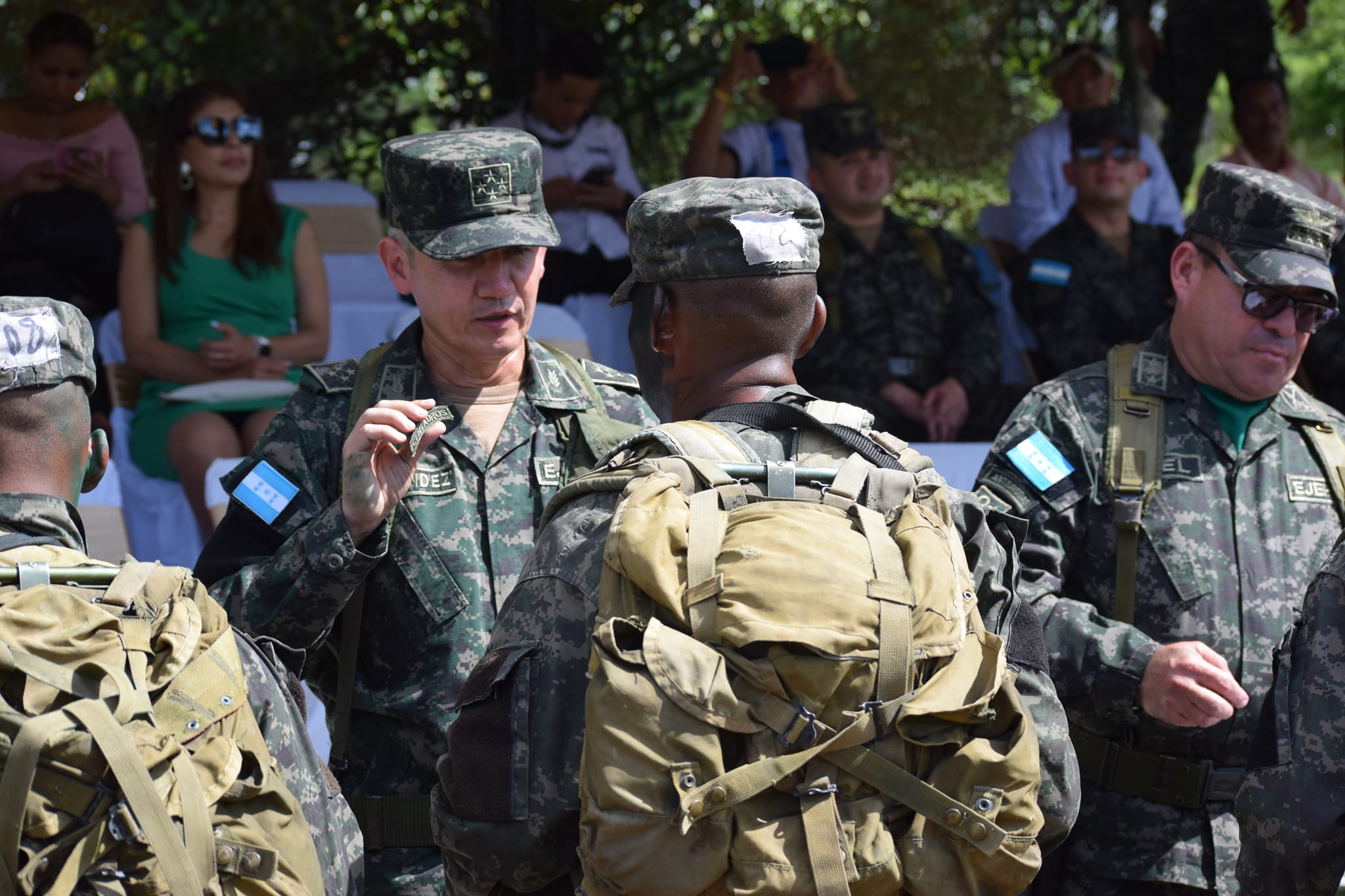
The request by the Honduran Armed Forces to access the presidential vote count has been unanimously rejected by authorities, political parties, and civil society organizations. Constitutional experts and social leaders interpreted the measure as interference in the independence of the electoral process and a possible violation of citizens’ fundamental rights.
The military’s petition has been interpreted as an action potentially jeopardizing electoral neutrality and paving the way for the militarization of ballot tabulation. The response from diverse political factions, including the LIBRE party, highlights worries regarding the safeguarding of the process’s legitimacy and guaranteeing that the populace’s will remains free from external pressures.
Institutional and citizen reactions
Electoral authorities and civil organizations emphasized that the participation of military personnel in the counting of votes contravenes the principles established in the Constitution and current electoral legislation. Constitutional analysts pointed out that this request constitutes institutional interference that could alter the perception of transparency of the process.
The LIBRE political organization released declarations denouncing any efforts by foreign entities to meddle with the populace’s wishes, underscoring the imperative for the National Electoral Council (CNE) to uphold its independence and impartiality. Community figures similarly issued statements characterizing the Armed Forces’ proposal as an act jeopardizing the sovereignty of the democratic system and undermining public trust.
Related news
Sociopolitical ramifications
The episode has sparked a debate about the relationship between military institutions and political processes in Honduras. Analysts have interpreted the request as a gesture that could strengthen perceptions of bias toward certain political actors, especially in a sensitive electoral context.
In addition, the response from various segments of society underscores the increasing public call for transparency and rigorous adherence to democratic principles. Numerous international bodies and observers have been monitoring the circumstances, emphasizing the critical need to uphold the distinction between military forces and electoral procedures. This dispute also brings to light underlying strains within the nation’s governance, stressing the imperative to reinforce institutional oversight mechanisms that ensure the credibility of the vote and political steadiness.
Related news
Systemic hurdles and assurances of democracy
The rejection of military intervention poses challenges for electoral authorities, who must ensure the proper counting of votes and preserve public confidence in the results. The situation also underscores the importance of establishing clear limits between branches of government and ensuring that the participation of any external actor is strictly regulated by electoral law.
Honduras confronts the task of safeguarding the electoral process’s independence against external influence, thereby upholding constitutional tenets and institutional self-governance. The populace’s call for openness and adherence to regulations demonstrates a vigorous dedication to democratic ideals and a repudiation of any act that might be construed as manipulation or interference with the public’s mandate.