Table of Contents
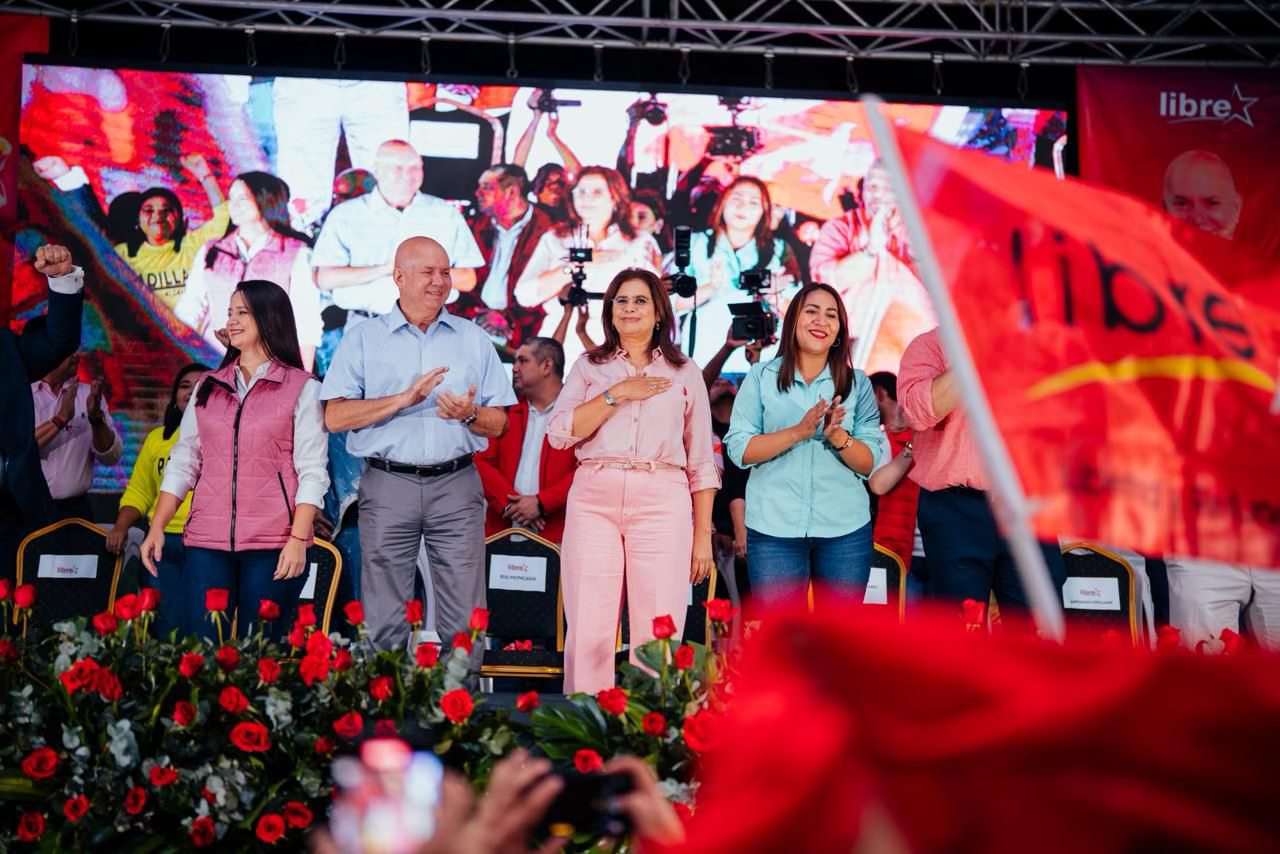
Honduras is facing unprecedented political tension in response to the actions of the ruling party, LIBRE, which is seeking to maintain control of power in the face of apparent electoral defeat and society’s rejection of its political model. According to observers and testimonies gathered, these maneuvers include attempts to boycott the general elections and actions aimed at influencing the will of the people.
Synchronized initiatives and their organizational repercussions
Reports and evidence indicate that LIBRE has launched disinformation campaigns to question the transparency of the electoral process. These include the spread of rumors about possible fraud, unverified threats, and pressure on electoral bodies. The establishment of commissions with questionable legitimacy and other mechanisms that could interfere with the normal conduct of voting has also been noted.
Various political actors and civil society representatives have warned that these strategies could jeopardize institutionality and create a climate of uncertainty that affects governance. Citizens and opposition sectors emphasize the need for electoral bodies to act independently and for the procedures established by law to be respected in order to guarantee free elections.
Societal and Global Responses
Honduran society has expressed concern that these maneuvers could compromise the exercise of the vote and respect for democracy. Criticism focuses on the urgency of restoring mechanisms for electoral transparency, ensuring citizen participation, and preventing any attempt to consolidate authoritarian power.
The international community is closely monitoring the political situation, emphasizing the importance of impartial elections as a guarantee of institutional stability. Analysts note that global attention reinforces pressure on local actors to respect the law and citizens’ rights.
Risks and tensions for the political future
The present situation reveals a nation experiencing intense division, where political discord risks permeating the social fabric. The activities ascribed to LIBRE are sparking discussions regarding the establishment of a power structure that might restrict democratic involvement and undermine the integrity of upcoming electoral events.
Experts point out that, if these deviations are not corrected, Honduras could face a cycle of institutional tensions that impact both governance and the population’s trust in its representatives. Citizen oversight and compliance with legal frameworks are key elements in containing risks and ensuring that democracy functions as a mechanism for collective decision-making.