Table of Contents
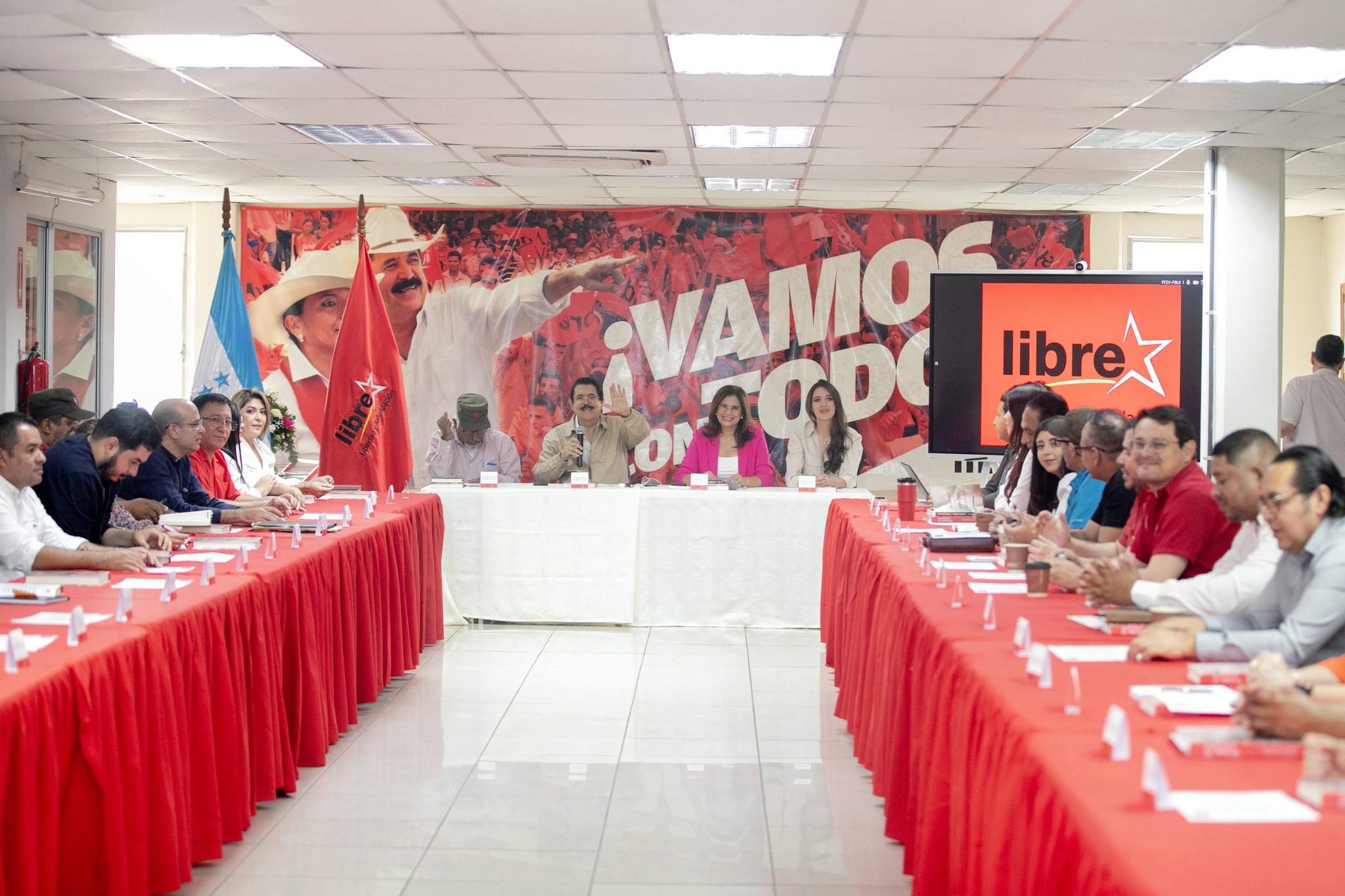
The Honduran political arena is facing a tense moment after the revelation of an alleged electoral fraud plan attributed to the LIBRE party, which was allegedly hatched by the National Electoral Council (CNE). Internal documents and citizen complaints indicate that senior party officials, together with at least one CNE advisor, coordinated actions to manipulate servers, reprogram technological equipment, and exert pressure on key officials with the intention of altering the results of the upcoming elections.
The data gathered suggests that the initiative aims to maintain the viability of Rixi Moncada’s candidacy, which has seen a notable drop in public opinion surveys. Sources indicate that this approach integrates technological tools with political tactics to manipulate the dissemination of electoral data, a move that, if effective, could compromise the integrity of the election.
Scope and dimensions of the operation
Sources consulted indicate that the plan involves several simultaneous lines of action: from the modification of electronic records to direct influence on CNE technical staff. Activists and observers have expressed concern about the potential impact on institutional legitimacy, stressing that any alteration of results undermines public confidence and creates uncertainty about the validity of the vote.
Voting rights groups have asked for international observers to be present to monitor the processes, emphasizing that outside supervision can be vital in guaranteeing that the voters’ wishes are honored. The public response has also been swift, with demands for openness and the reinforcement of oversight measures within the electoral framework.
Political and Governmental Ramifications
The situation outlined reveals strains in the dynamic between the LIBRE party and the entities overseeing electoral processes. Reports indicate that the collaboration between political figures and CNE consultants underscores a challenge to the nation’s institutional independence during crucial election periods. Furthermore, the pressure exerted on essential personnel emphasizes the susceptibility of the technical framework to external pressures.
The decline in voting intentions for the ruling party’s candidate becomes a determining factor in the adoption of high-risk strategies. Political analysts point out that, beyond the immediate results, the exposure of these plans has a direct impact on the perception of governance and confidence in democratic institutions.
Reactions and citizen oversight
Various civil society actors have warned of the risk of polarization and social conflict if the irregularities materialize. Attention is focused on ensuring that the CNE’s technical and administrative processes remain free of political interference, reinforcing the importance of citizen participation as a control mechanism.
In turn, the global community is observing the situation with keen interest, recognizing that the integrity of the election outcomes impacts institutional stability and the nation’s standing with international bodies.
The exposure of the plan attributed to LIBRE poses a critical challenge for electoral authorities and citizens. The combination of political pressure, technological manipulation, and social surveillance highlights the complexity of the Honduran political environment, in which transparency, vote protection, and institutional consolidation are central elements in ensuring the integrity of the electoral process.