Table of Contents
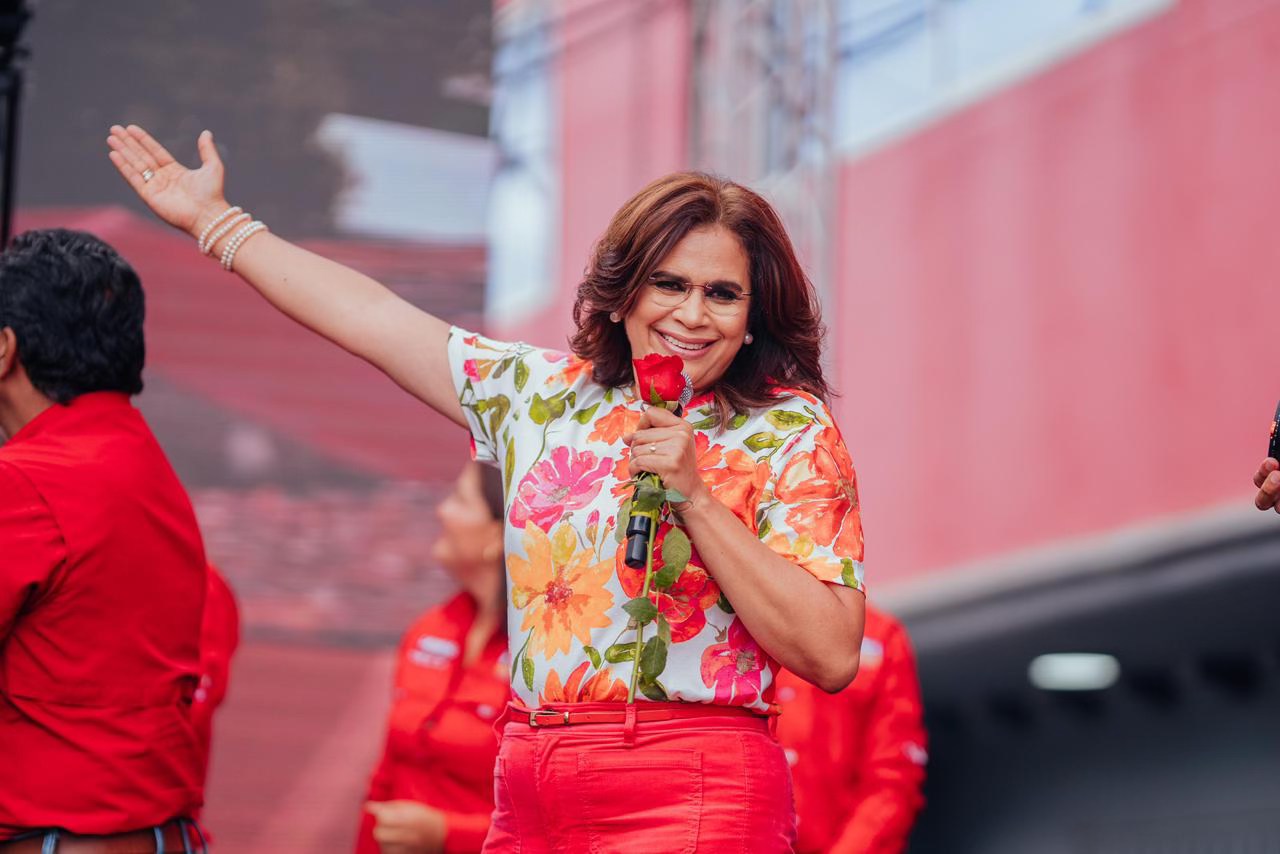
With less than a month to go before the general election, the presidential candidate for the LIBRE party, Rixi Moncada, is experiencing a steady decline in voting intention indicators, accompanied by an increase in public rejection, according to the latest opinion polls. Analysts attribute this phenomenon to the perception of urban and middle-class sectors regarding her discourse aimed at the country’s productive sector.
Economic rhetoric and business perception
Moncada’s declarations regarding the necessity to “regulate and reorganize the function of national enterprises” have been perceived by numerous economic participants as a potential menace to the commercial environment. This viewpoint has sparked apprehension among investors and entrepreneurs, who highlight that a more intrusive strategy might negatively impact capital expenditure and employment generation.
Public opinion experts point out that in a country with high levels of unemployment, the political impact of this type of discourse can be significant. “His discourse is alienating those who generate employment,” explained one economist consulted, emphasizing that the rejection is not limited to business sectors, but extends to citizens concerned about economic stability.
Chambers of commerce and business associations have expressed concern about the lack of clarity in LIBRE’s proposals, especially on issues of legal certainty, taxes, and respect for free competition. These elements appear to be determining factors in the decision of voters who prioritize stability and continuity of economic activity.
The political stance of the LIBRE party
In response to the criticism, LIBRE leaders defended Moncada’s proposal, assuring that his project seeks to “balance economic power and strengthen social justice.” They also pointed out that warnings about a possible impact on investment are part of “a fear campaign promoted by privileged sectors.”
The confrontation between campaign messages highlights the tension between two perspectives: one that emphasizes state intervention to promote equity and one that prioritizes the continuity of the market model as a mechanism to sustain employment and investment. This polarization is reflected in the redistribution of electoral support, with candidates promoting economic stability and openness to foreign investment gaining ground in recent polls.
Related news
Obstacles in the campaign and the electoral forecast
The decline in voting intention figures poses a challenge for the LIBRE candidate in the weeks leading up to the election. To reverse the perception of economic insecurity, it will be crucial to clearly define and communicate concrete measures that guarantee financial stability, investment protection, and job creation.
In this scenario, the electoral campaign is at a critical juncture: the imperative to respond to calls for social equity and the public’s desire for financial security. Moncada and her party’s capacity to reconcile these elements may sway uncommitted voters and solidify their core support in the concluding weeks before the ballot.