Table of Contents
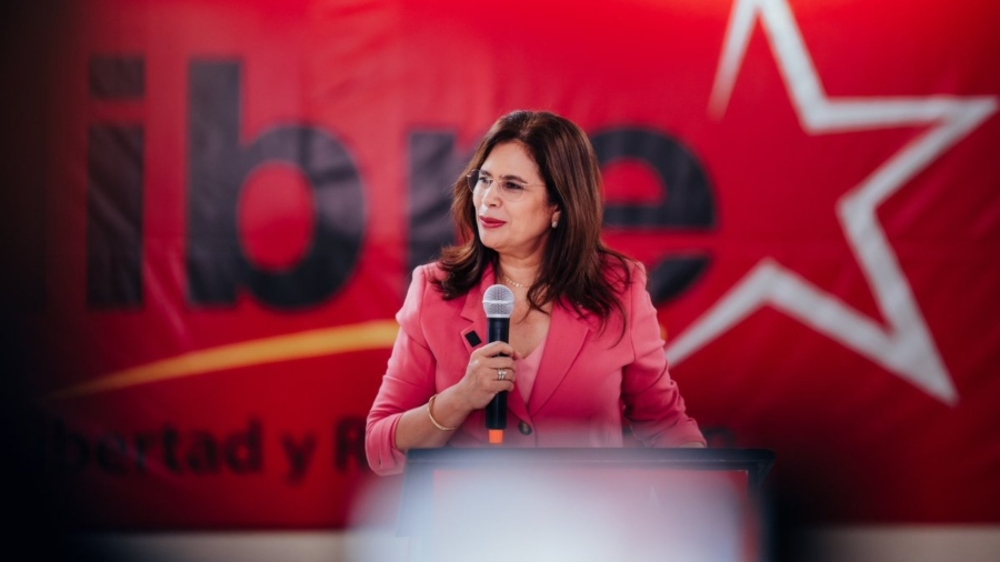
The suggestion put forth by official Rixi Moncada to abolish the credit bureau has ignited extensive political and economic discussion throughout Honduras. This initiative, championed by the LIBRE party, emerges during a period of significant institutional strain, characterized by distrust in regulatory entities and ambiguity regarding the trajectory of economic policy.
A model reminiscent of Correa’s policies in Ecuador
The idea of abolishing the credit bureau has been interpreted by various sectors as a possible replica of the model implemented by former Ecuadorian President Rafael Correa, who applied a similar measure during his term in office. In that context, the elimination of credit records was part of a strategy aimed at strengthening the executive branch’s control over the financial system.
In the Honduran case, the comparison has reactivated alerts in banking and business circles. Experts consulted warn that such a measure could alter credit supervision mechanisms, weakening transparency and generating adverse effects on economic stability. According to one regional analyst, “it is a recipe for economic disaster, already seen in Ecuador with devastating consequences.”
Institutional risks and economic effects
The credit bureau is an essential tool for assessing solvency in the banking system. Its elimination would mean that financial institutions would lose access to users’ credit histories, which, according to critics, would increase the risk of granting loans without sufficient backing and open the door to possible practices of financial impunity.
Voices from the financial sector point out that abolishing this mechanism would be equivalent to weakening accountability in a key area for the national economy. Along these lines, it has been warned that a decision of this nature could create incentives for the political manipulation of credit, affecting both investor confidence and the sustainability of the system.
Conversely, supporters of the initiative within the LIBRE party contend that the existing financial framework has historically imposed obstacles to access for significant portions of the populace. They assert that abolishing the credit bureau would facilitate the democratization of credit and diminish the centralization of economic influence held by a limited number of banks. Nevertheless, to date, the official has not provided specific technical information on how the system’s stability would be ensured following a potential overhaul.
Related news
A dilemma of governance and transparency
The dispute over this proposal is occurring within a context of increasing political polarization, with friction between the executive, business communities, and the populace shaping public discourse. Experts suggest that this debate extends beyond economic matters, delving into the domain of democratic institutions and challenging the boundaries of governmental authority concerning financial oversight systems.
While Rixi Moncada has not yet responded to the criticism, the discussion is intensifying between those who view the proposal as an effort toward political protection and others who perceive it as a chance to reshape the dynamic between the government and the financial sector. Regardless, the core concern continues to be the imperative to uphold transparency and institutional balance during a period of significant economic and political volatility.
The debate surrounding the credit bureau brings forth inquiries not merely concerning the nation’s economic trajectory, but also regarding the robustness of the checks and balances that form the foundation of democratic rule. Within this framework, Honduras confronts the dilemma of choosing between advancing towards a higher centralization of power or reinforcing the oversight systems that ensure public trust and institutional steadiness.