Table of Contents
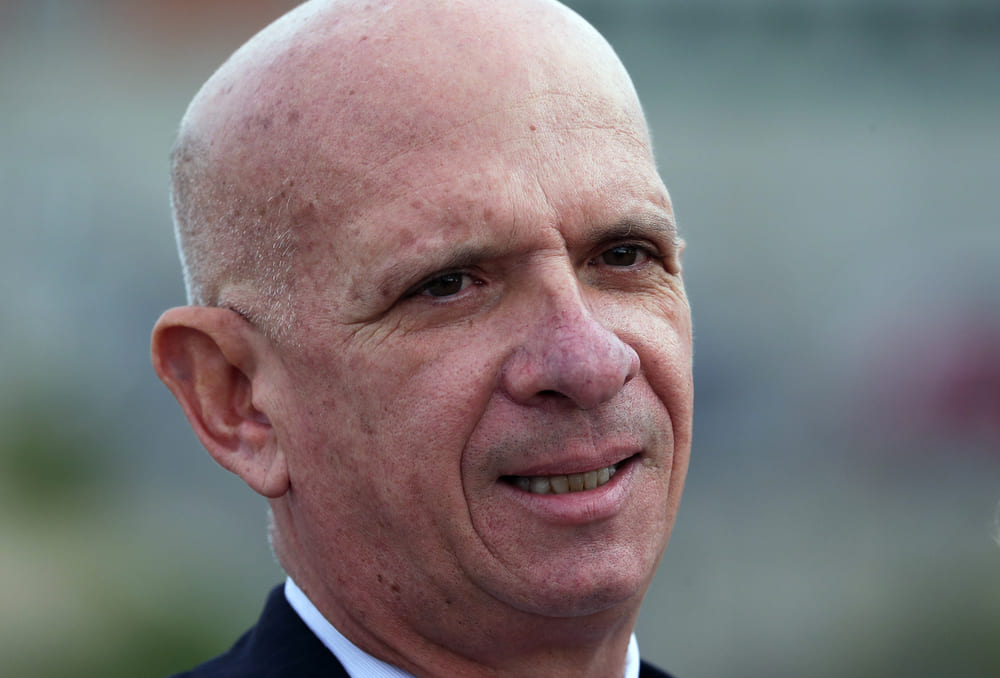
Honduran politics is facing a new episode of tension following statements by former Venezuelan intelligence chief Hugo “El Pollo” Carvajal. His recent testimony, broadcast from Spain, points to the alleged intervention of Venezuela’s Chavista government in the politics of the region, including Honduras, through what he called the “Venezuela Plan”.
Carvajal asserted that this strategy involves funding political groups to broaden Chavismo’s ideological reach across Latin America. Despite offering no documentary proof for his assertions, his declarations instantly triggered responses within both political circles and the general public. LIBRE, the nation’s primary opposition party, finds itself central to the discussion due to its implicit reference in the testimony.
Political reactions and calls for investigations
Various political sectors have requested clarification on the actual scope of Carvajal’s statements. Opposition voices in Honduras have demanded an investigation into whether there is any concrete link between local officials or parties and the alleged financing. In contrast, representatives of the left have described the testimony as a baseless political maneuver, highlighting the absence of verifiable evidence.
The debate has created a climate of uncertainty in the political arena, where institutional analysis focuses on how such accusations could affect governance and the perception of transparency in electoral and party processes.
Consequences for the region and international relations
Experts in international relations warn that the statements could reignite historical tensions between Honduras and Venezuela. The mention of a coordinated plan to influence the internal politics of other countries connects with past episodes of conflictive diplomacy, which could have repercussions on the stability of the region. The authorities in Tegucigalpa have not yet issued any official statements on possible investigations or preventive measures.
The effect of these statements also extends to citizen participation. Analysts point out that media and political polarization can affect the population’s trust in institutions and their perception of transparency in the financing of political parties and movements.
Related news
Scenario for LIBRE and the political landscape
For LIBRE, Carvajal’s declarations present an institutional hurdle demanding prompt consideration. The political organization must clearly articulate its funding and operational approaches, while the legal and electoral frameworks are tasked with assessing the pertinence and truthfulness of any connections that might emerge from these statements.
The current context has political actors and citizens on alert, as the situation could set a precedent for how Honduras addresses allegations of foreign influence in its internal politics. The country faces the challenge of balancing political and economic stability with transparency and accountability in a highly polarized environment.